Japan Travel Tips
If there’s one place I know well, it’s Japan. I’m half Japanese and spent every summer growing up going to school there, so it’s never just been a travel destination for me- it’s felt like a second home. With over 50 trips and family roots in Miyagi Prefecture, I’ve seen Japan from the inside out, experiencing daily life, culture, and community firsthand. Whether this is your first trip or your fifth, I’m here to share practical tips to help you get the most out of your visit.
Best Time to Visit Japan
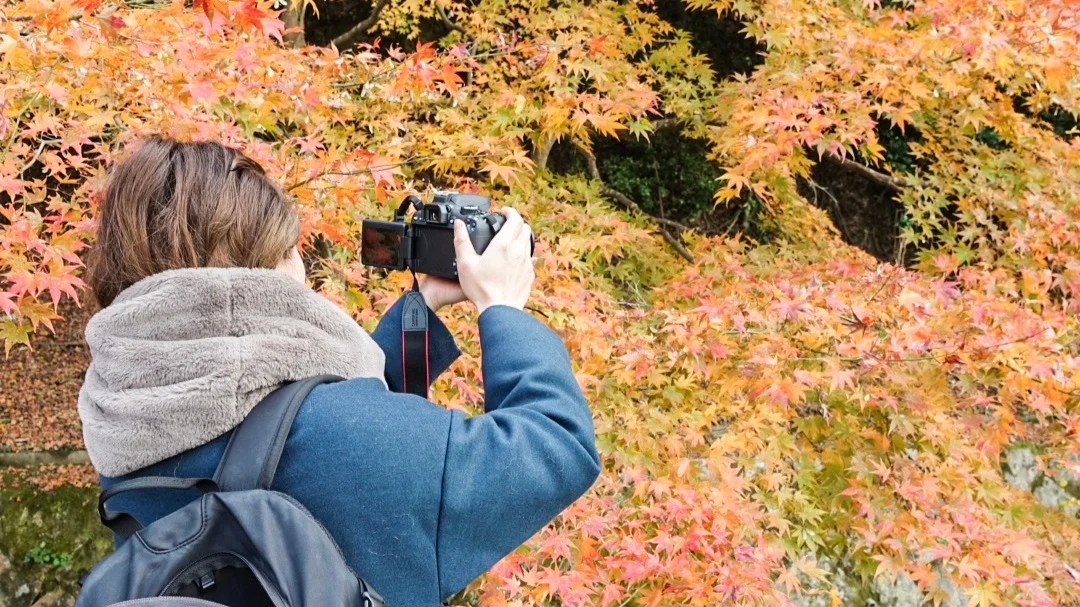
(Girl with Autumn leaves in Kyoto. Photo by Remi David - Please do not use or reproduce without permission.)
Spring in Japan is especially beautiful, with cherry blossoms in full bloom during parts of March and April- though it can get quite crowded. For a more relaxed visit, October and November are lovely, offering crisp air and vibrant autumn leaves. December is colder, but the holiday lights and decorations across Japan make it feel magical. The months from June to September are best avoided if you don’t enjoy heat, humidity, and rain, though the summer festivals during this time can be truly unique and fun.
Specific times to avoid:
Golden Week (typically late April - early May): a week of Japanese holiday where everything will be crowded. Check the exact dates for the year you’re going.
New Year’s (late December - early January): extremely busy, and many businesses close for a few days.
Navigating Japan’s Train System
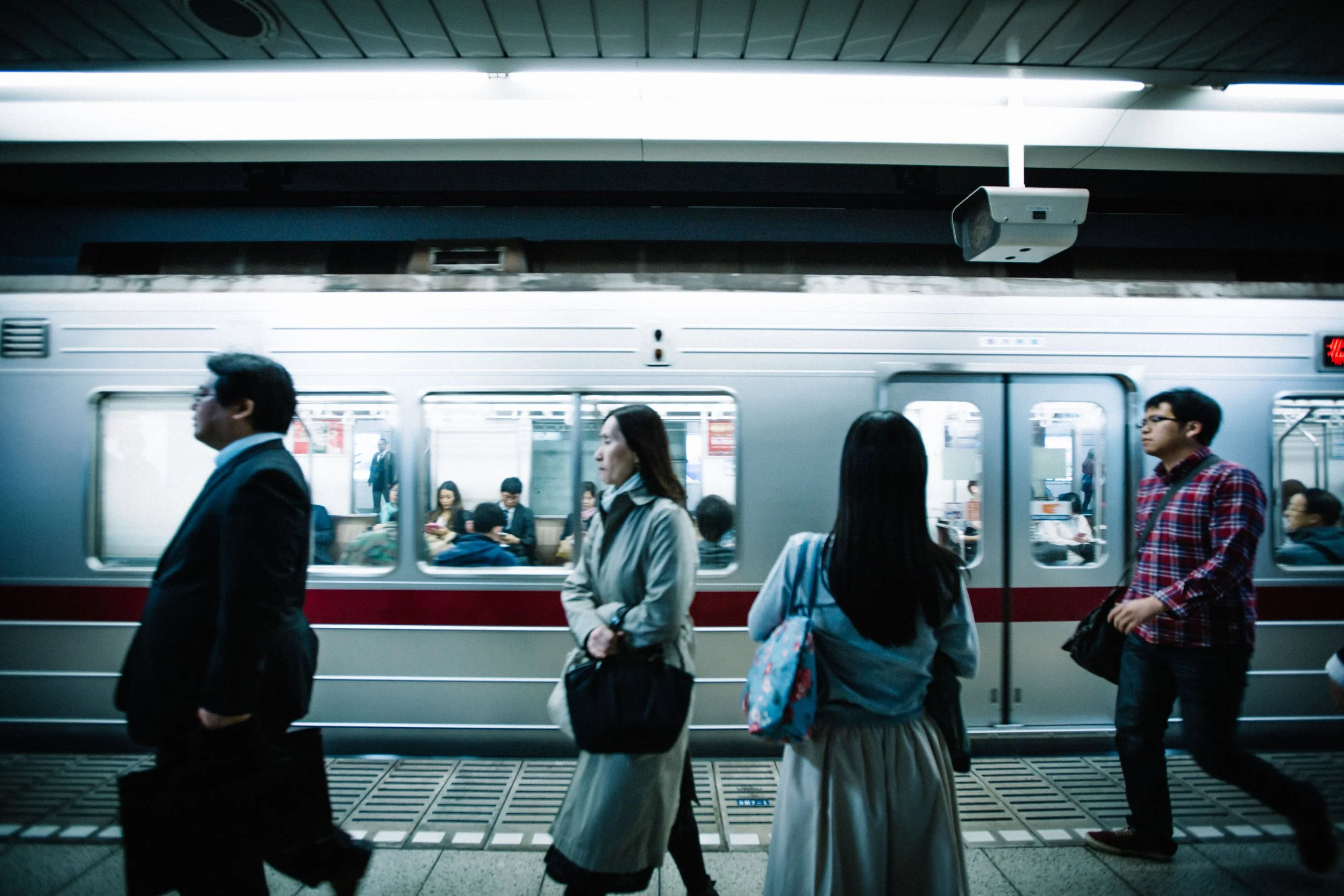
(Train in Tokyo. Photo by Remi David - Please do not use or reproduce without permission.)
The trains are clean, fast, and punctual. Google Maps will be your best friend. It shows exact routes, platforms, times, and prices.
If you’re planning to travel outside of Tokyo by Shinkansen (bullet train), buy a Japan Rail Pass (JR Pass) in advance. It’s available in 7, 14, or 21-day increments and covers unlimited travel on JR train lines and buses. After purchasing online, you’ll exchange your voucher for the actual pass in Japan. Don’t forget your passport. You can also make seat reservations at JR offices, which I recommend doing early on in your trip.
Keep in mind: the JR Pass doesn’t cover Tokyo Metro subways. For those, grab an IC card like Suica or Pasmo (you can even add it to your digital wallet). It's a rechargeable card that you can scan as a train ticket. They also work in some convenience stores, vending machines, and restaurants.
Where to Stay in Japan
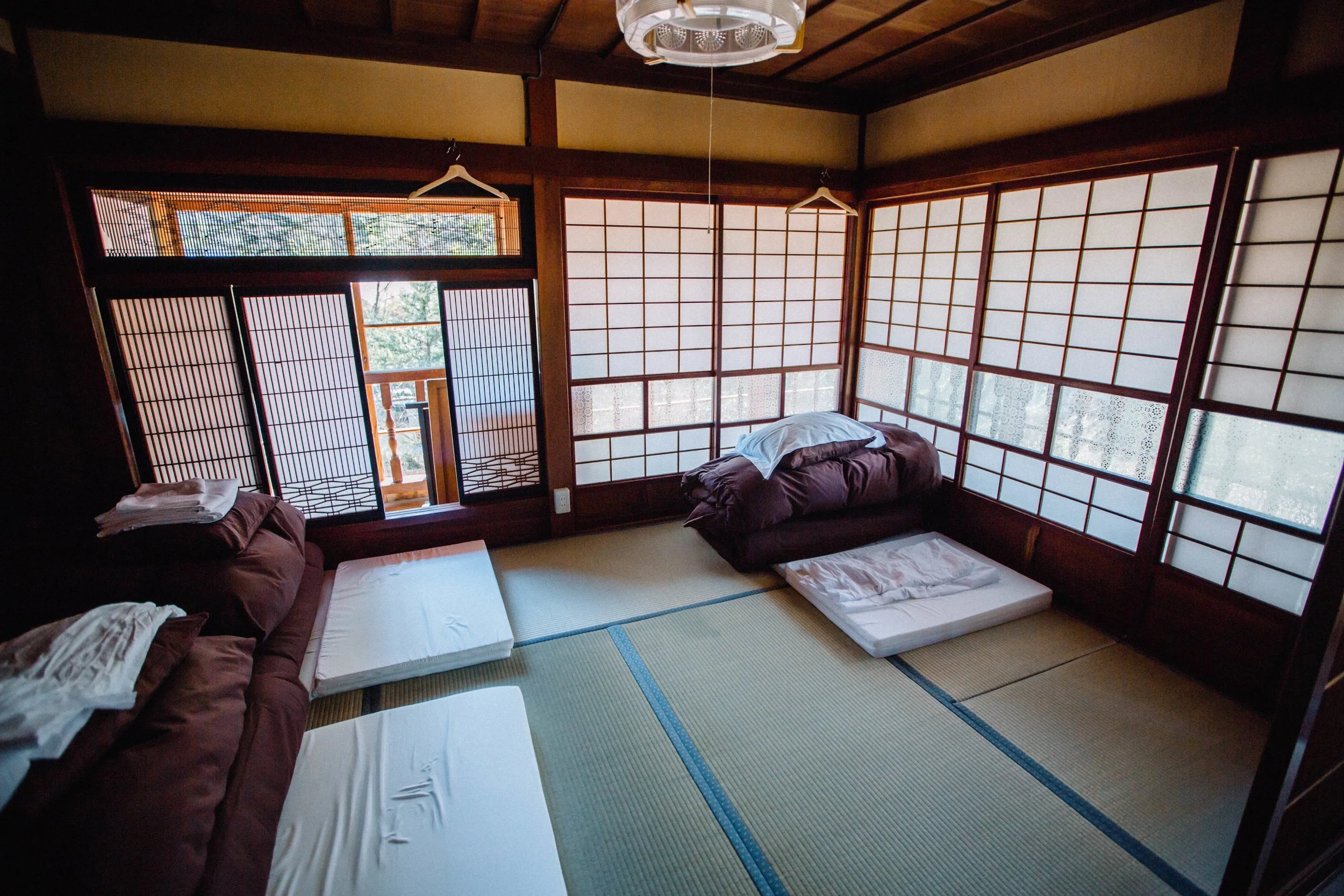
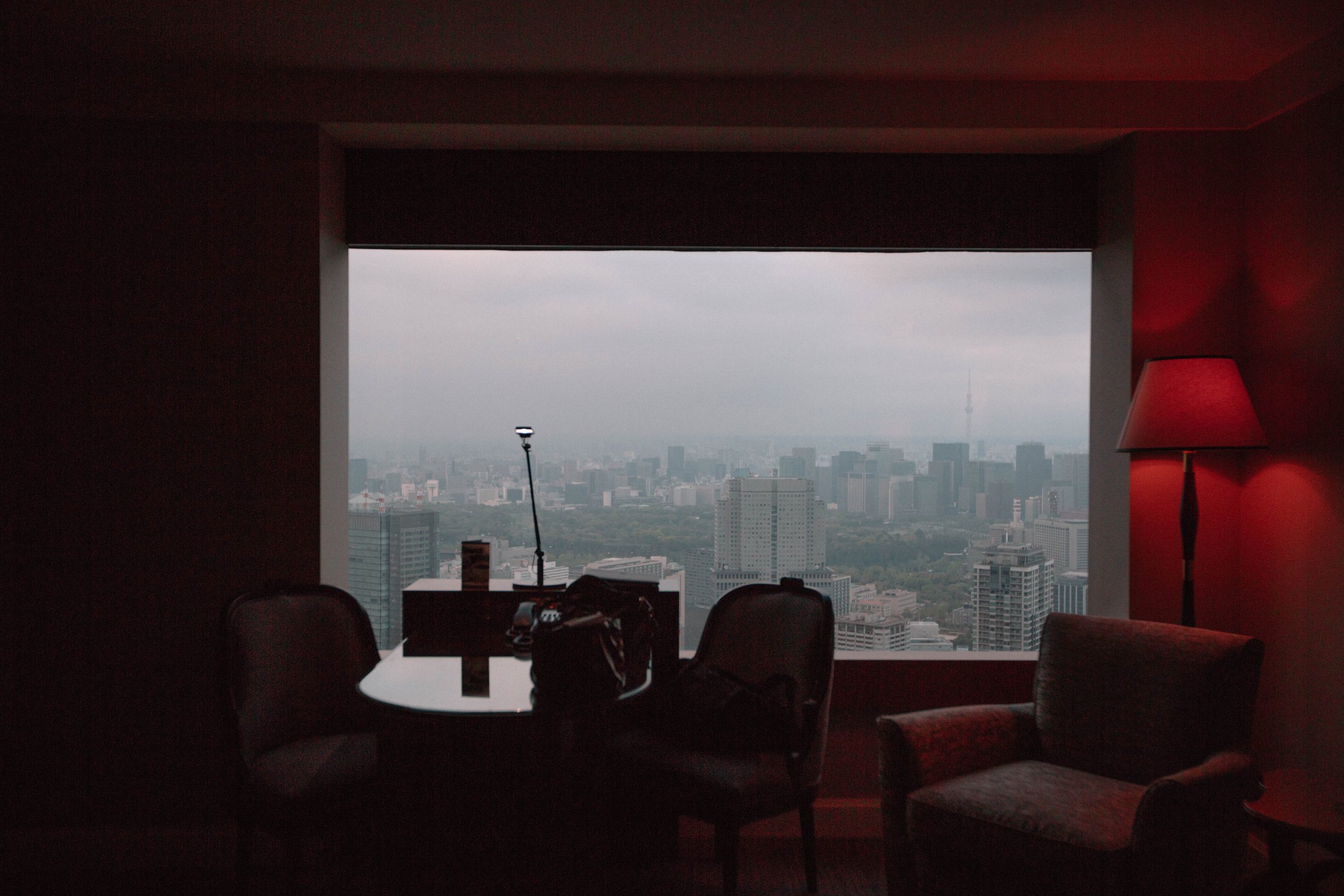
Wherever you’re headed, staying near a train station is usually a smart choice.
Tokyo: Book a hotel along the Yamanote Line, which loops through the city and connects almost all major sightseeing spots.
Kyoto: Staying near Kyoto Station makes it easier to get around. For longer stays, Downtown Kyoto and Southern Higashiyama can be better for leisurely exploring.
Osaka: Osaka Station or Namba Station are central to food, shopping, and transit.
If you want a unique experience, try a ryokan (traditional inn) with tatami floors, futon bedding, and often an onsen (hot spring). They’re more expensive, but unforgettable. On a budget, look into hostels like K’s House, which offers traditional tatami rooms in multiple cities.
What to See and Do in Japan
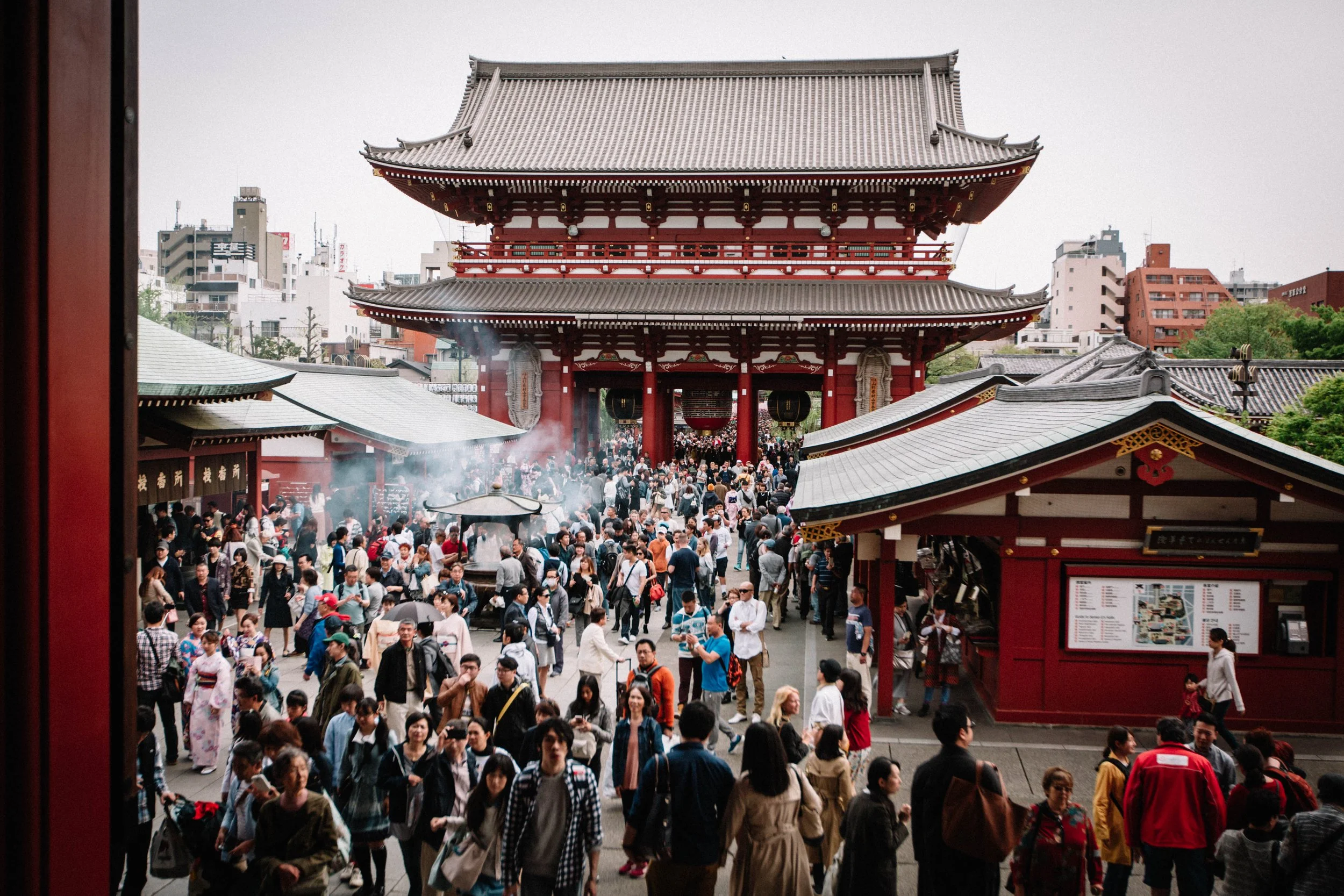


Where to go in Tokyo:
Sensoji Temple in Asakusa
Shibuya Crossing (world famous for being the busiest cross street)
Shibuya 109 (tall shopping center with several floors)
Takeshita Street in Harajuku (crepes + quirky shops)
Tokyu Plaza Omotesando Harajuku (beautiful rooftop garden on the top level)
Tokyo Skytree and Tokyo Tower for city views
Shinjuku Gyoen National Garden for the cherry blossoms (seasonal)!
teamLab Planets (popular digital art museum)
Mori Art Museum in Roppongi
Tokyo DisneySea (a park unique to Japan)
Akihabara Electric Town (for manga, anime, video game fans)
MEGA Don Quijote Shibuya (fun store for goods and souvenirs)
Studio Ghibli museum in Tokyo (there’s also a park in Nagoya) - must be reserved in advance
Day trips: Yokohama, Kamakura, Mount Fuji, Yamato-no-Yu Onsen
Yokohama is a peaceful port city south of Tokyo and has a really cute Christmas market and outdoor ice rink during the holidays. It’s also known for its beautiful ferris wheel. Kamakura is a quiet town a little further south with a huge Buddha and nice hiking areas. The official climbing season for Mount Fuji is generally from early July to early September, but the views from below are beautiful all year round. Yamato-no-Yu Onsen is a tattoo friendly hot springs, but kids under 6 y/o are not allowed entry.
Where to go in Kyoto:
Arashiyama Bamboo Forest
Fushimi Inari Taisha (the red gates shrine)
Saihoji (Moss temple)
Kiyomizu-dera Temple
Traditional tea houses
Rent a bicycle in Arashiyama on a nice day
Kyoto Tower
Where to go in Osaka:
Osaka Castle
Universal Studios Japan
Dōtonbori (for nightlife and neon signs- quite touristy, but still fun)
Spa World (multi-style bathhouse, but tattoos are not allowed)
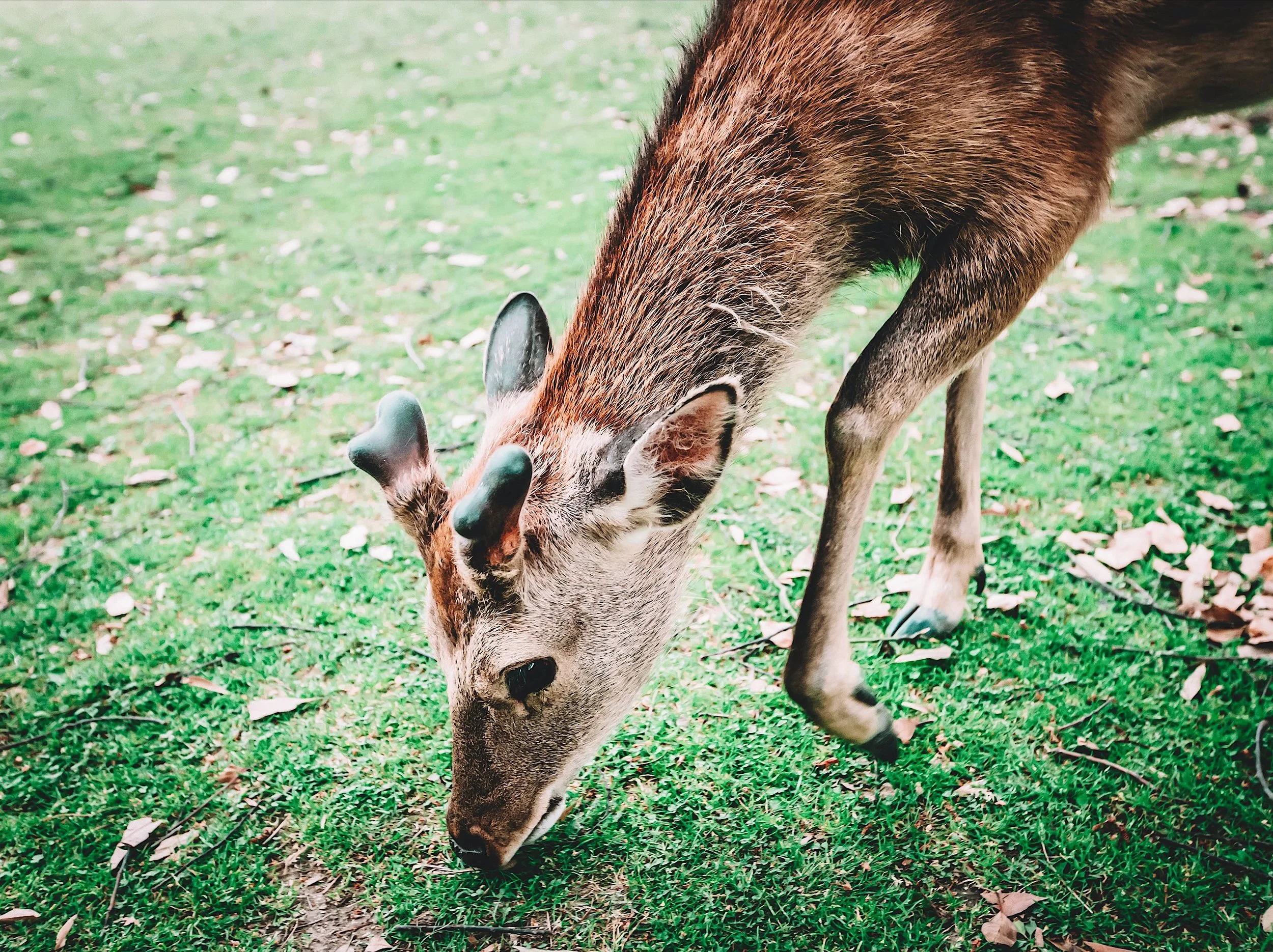
Day trip: Nara Park with free-roaming deer (These guys are so cute, but they will also bite holes into your clothes if you’re not careful. It’s happened to me TWICE!!)
Highlights in other areas of Japan:

Aomori Nebuta Festival in Aomori City (held annually early August)
Ashikaga Flower Park or Kawachi Fujien for Wisteria viewing
Panoramic Flower Gardens Shikisai-no-oka in Biei
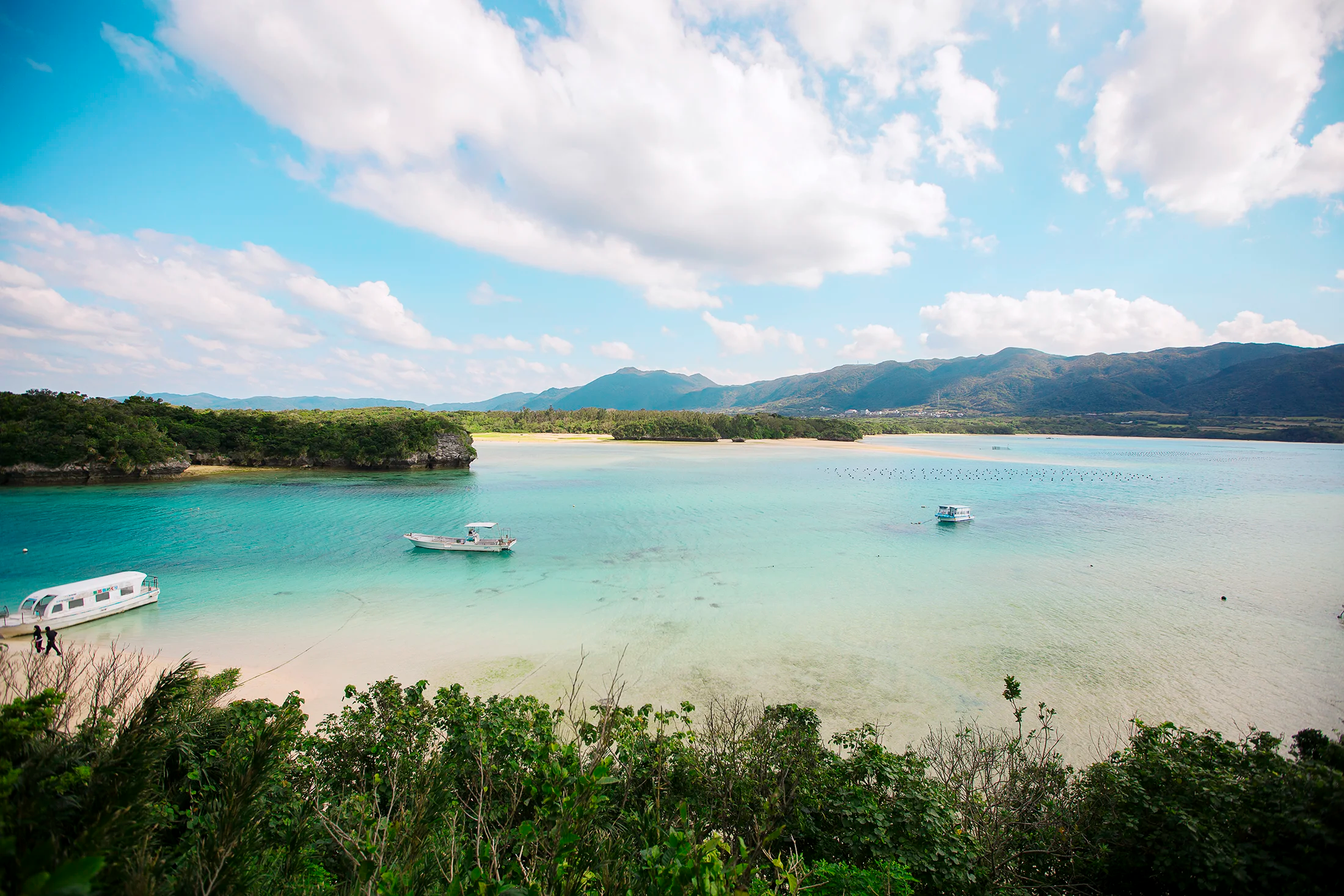
Okinawa for its beautiful beaches and unique culture
Squirrel Monkey Forest in Ishigaki Jima
Nokonoshima Island in Fukuoka (island full of flowers)
Yatai food stands in Fukuoka
Hakone-jinja shrine (Torii gate in the lake)
Shiroishi in Miyagi (historic Edo period structures)
Takachiho Gorge (beautiful cliffs and waterfalls)
Izu Peninsula (beaches and hot springs)
Shirakawago (traditional thatched roofed village)
Karuizawa mountain resort town
Hiroshima (WWII memorials)
Miyajima Island (“floating” Torii gate at high tide)
Mount Zaō volcanic mountain range
Food Recommendations in Japan

What to eat in Tokyo:
Ameyoko Market for street food
Ginza Harutaka (an omakase sushi experience- reservation required)
Themed cafés (Pokémon, Kirby, etc.)
Konbinis (convenience stores like 7-Eleven, Family Mart, Lawson, etc.) for drinks, snacks, egg sandos, onigiri, and more
Any Japanese Italian food- try their pizza or Napolitan spaghetti (it’s very different, a bit sweeter)
Hiroshima style okonomiyaki Hanako Kanda shop (savory pancakes- reservation required)
焼肉あぶる。駒込店 in Toshima City for yakiniku (Japanese BBQ)
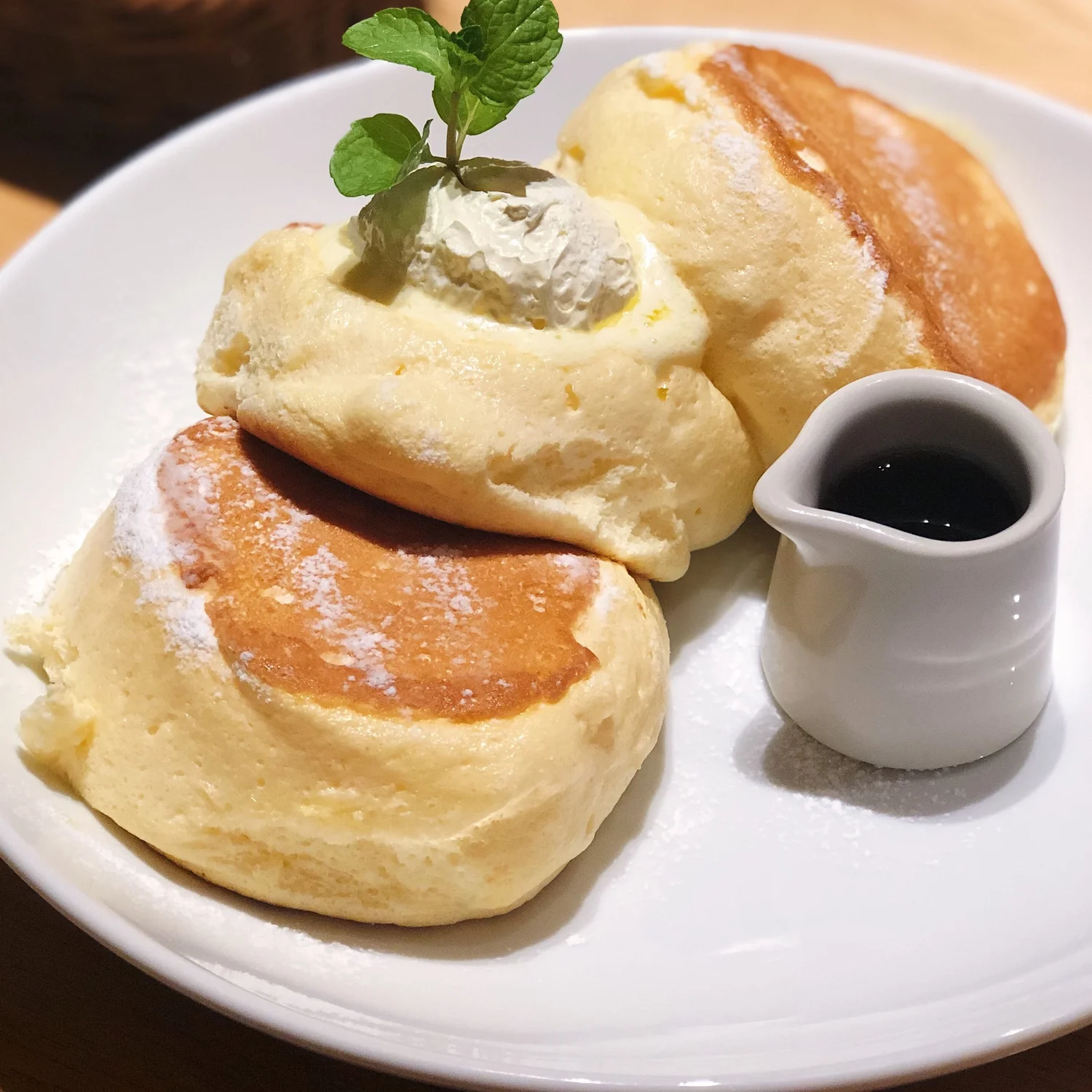
Original Pancake House in Shinjuku for fluffy Japanese pancakes
Any soft serve ice cream- especially Ube flavor (they use real ube instead of flavoring at some places)
What to eat in Kyoto:
Nishiki Market for street food
Matcha tea houses
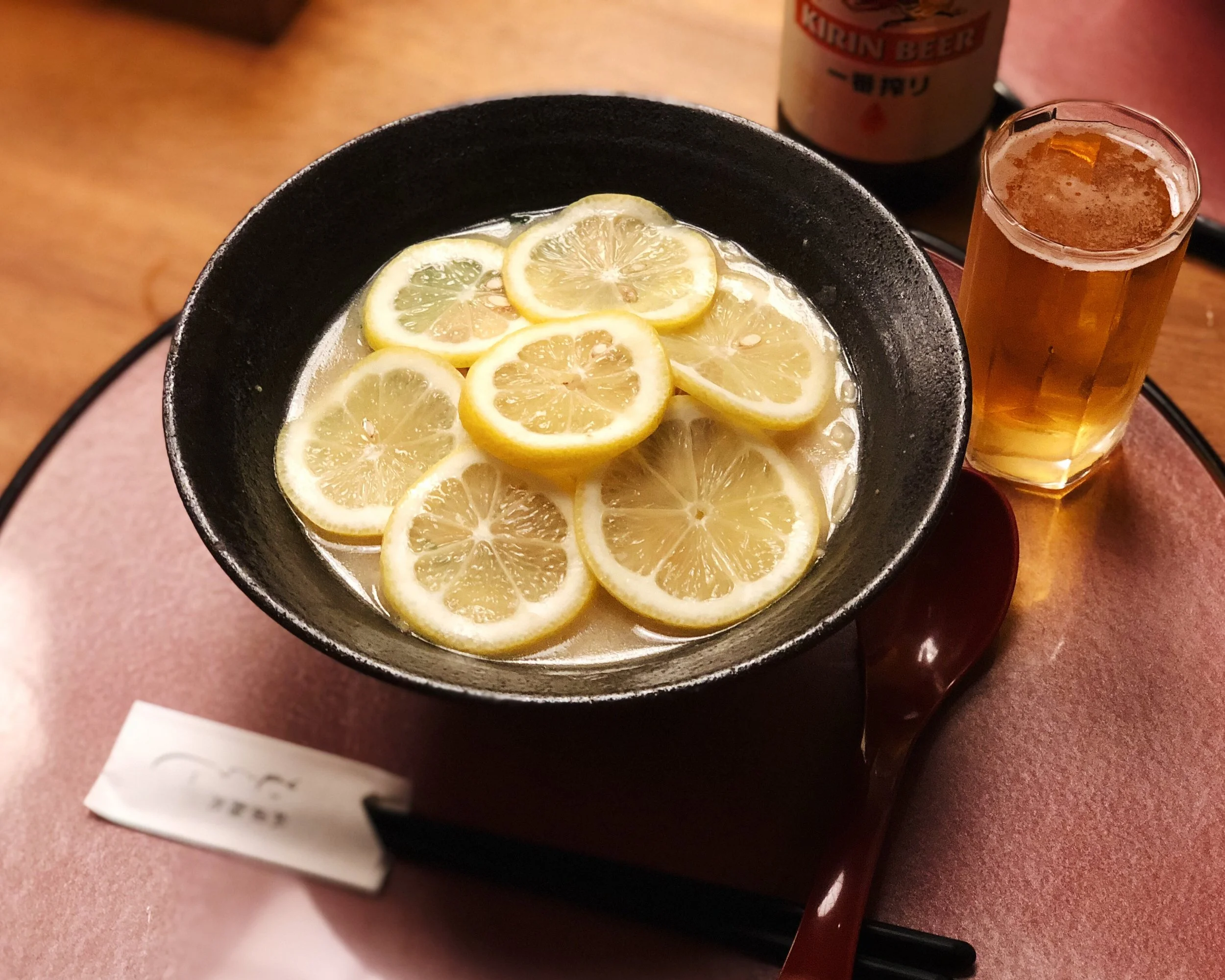
Ramen Muraji (chicken broth lemon ramen)
Halal Wagyu Sukiyaki & Steak ZEN Kyoto
What to eat in Osaka:
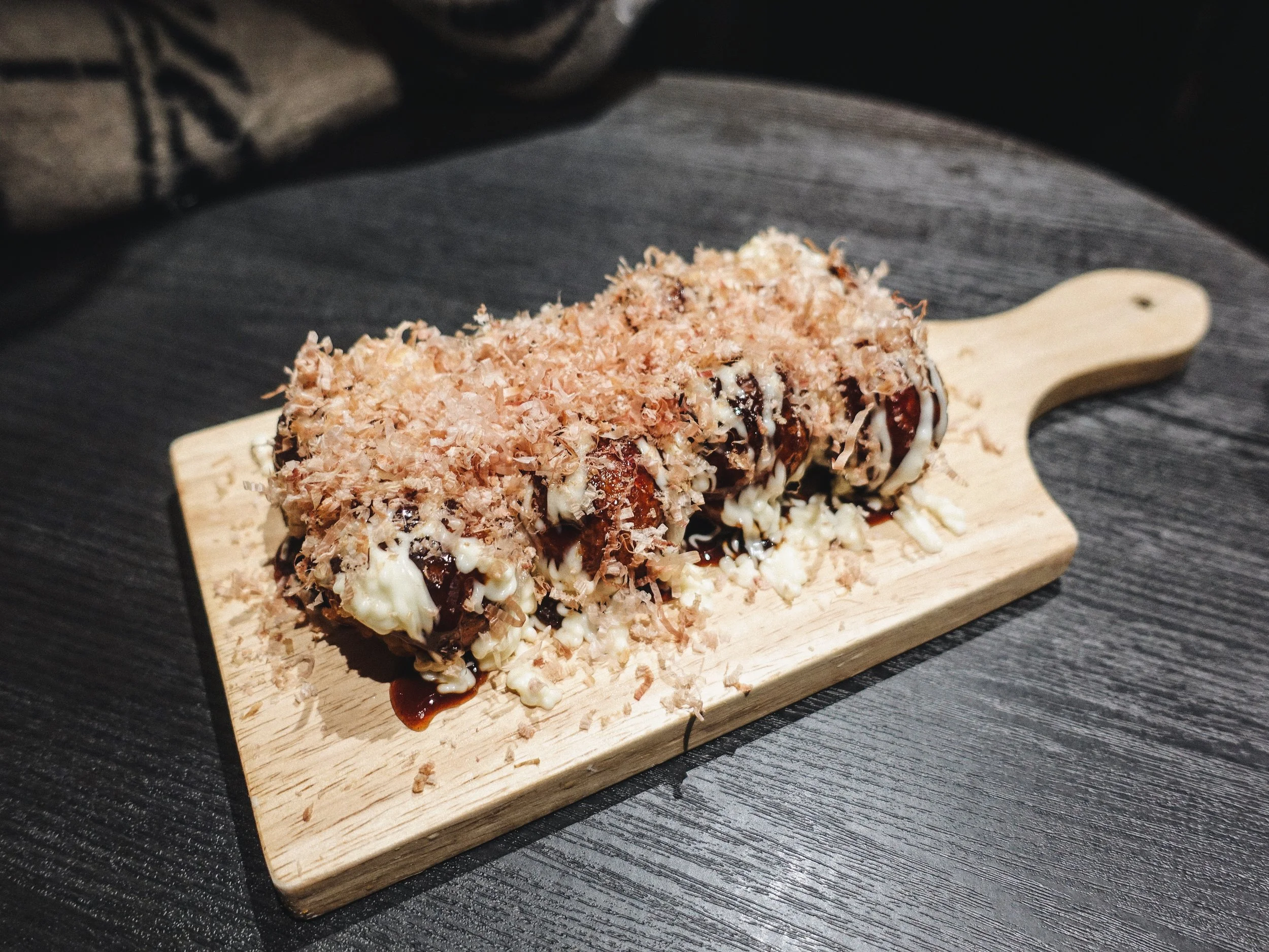
Osaka Takoyaki Museum
Kuromon Ichiba Market for street food
Sakamoto Sushi
Mugito Mensuke
When in doubt, a full restaurant is one of the clearest indicators of great food. Also, generally speaking- bread, eggs, milk, and fruit are noticeably tastier in Japan.
If you’re feeling really ambitious, here is a fun checklist of Japanese foods/drinks you could try: Sushi, Hiroshima-style okonomiyaki, ramen, A5 wagyu beef, unaju, yakitori, kabocha tempura, Japanese curry, karaage, Tamago Kake Gohan, tamago sando, strawberries, Kyoho or Delaware grapes (slip-skin), natto maki, takoyaki, gyoza, kaiseki, bento box, tamagoyaki, Napolitan pasta, sukiyaki, yakisoba, yaki imo (roasted Japanese yam), hiyashi chūka, anmitsu, daifuku mochi, mitarashi dango, dorayaki, crepes, nama chocolate, kakigori with condensed milk, fluffy pancakes, black sesame ice cream or purin (pudding), parfaits, shiruko, Sakura tea, hojicha, matcha, osmanthus tea, fountain melon soda, Real Gold, Mitsuya Cider, yuzu soda.
Helpful Tips for Japan
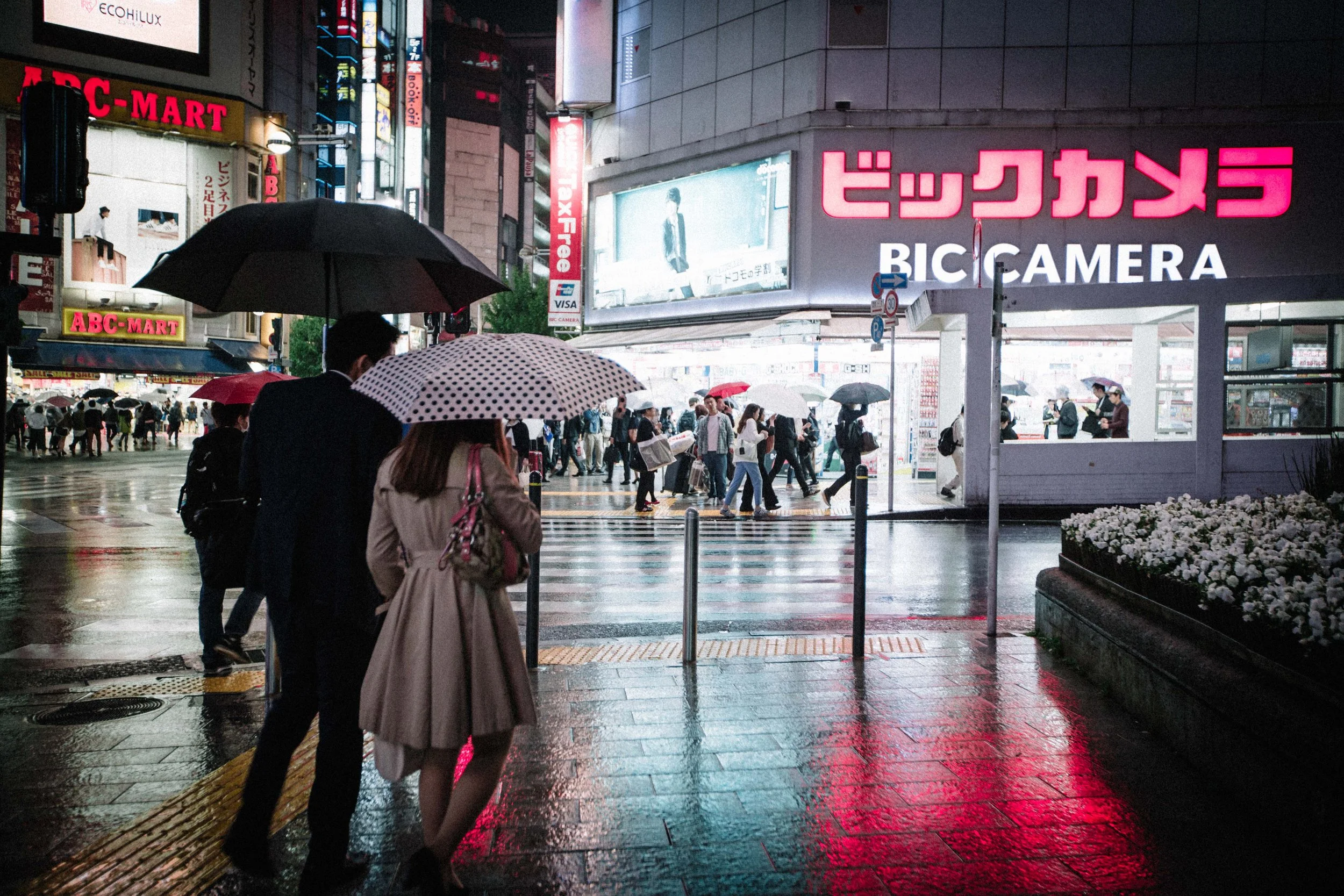
(Rainy night in Tokyo. Photo by Remi David - Please do not use or reproduce without permission.)
Getting Around in Japan
Wear comfortable shoes- you’ll be walking a lot. Keep left in crowded areas, just as cars drive on the left.
Pack a raincoat or portable umbrella during rainy season.
Carry your passport at all times. It’s legally required and fines may apply if you don’t have it.
Get an IC card (Suica, Pasmo, or ICOCA) or add one to your phone’s wallet for easy travel on subways, buses, and even in convenience stores.
Be aware that trains do not run 24/7. Check last train times to avoid being stranded.
When booking a Shinkansen (bullet train) from Tokyo to Kyoto, reserve a seat on the right side for Mt. Fuji views (weather permitting).
If you plan to drive a car, you’ll need an international driver’s license.
Consider flying within Japan- JAL offers a special Explorer Pass for foreign travelers.
Money & Payments in Japan
Cash is common, especially in smaller shops. Carry a coin purse since you’ll get lots of change. Some places still don’t accept credit cards.
ATMs are available at 7-Eleven convenience stores.
Don’t hand cash directly to cashiers- place it on the tray provided.
Tipping is not customary in Japan.
Dining & Food Etiquette in Japan
Many casual restaurants use ticket vending machines- buy a ticket first, then hand it to staff.
Servers don’t check in as frequently; you’ll need to wave or call them over when you need something, including the bill. Just raising your hand slightly while saying “O-kaikei onegai shimasu” is a standard, polite gesture in Japan.
Some restaurants are reservation-only, so book ahead if you have specific places in mind.
Don’t point with your chopsticks, pass food with others from chopstick to chopstick, or leave your chopsticks upright in your rice.
Modifications to food are not always accepted. If you have allergies or restrictions, you may need to choose another dish. You can also print out or screenshot an allergy or medical card in Japanese to show staff.
Customs & Etiquette in Japan
Be mindful of local manners: don’t eat while walking, avoid loud conversations on trains, and don’t use your phone for calls on public transit.
On crowded trains, wear your backpack on the front or place it between your feet to make space for people around you.
Escalators often have a designated standing side so others can pass.
If you want to lean your seat back, it’s polite to ask the person behind you if you have their permission to do so.
At Onsens (hot springs), wash/shower before entering the baths. Swimsuits aren’t allowed, as the custom is to bathe without clothing. Keep the provided washcloth out of the water- place it on your head or to the side.
In taxis, don’t open the doors yourself; most are automated. Keep your destination’s address written in Japanese since most drivers don’t speak English.
Some restrooms have slippers to be worn only inside the restroom.
Practical Essentials for Japan
Download Google Translate (use the camera feature when you need text translated live).
Pack a foldable tote bag for groceries or souvenirs.
Carry hand wipes or a small towel; many public restrooms won’t have a way to dry your hands.
Public trash cans are sparse in Japan, so be prepared to carry your trash until you find one.
Many Airbnbs provide pocket Wi-Fi. Otherwise, rent one at the airport for reliable internet access (especially for GPS) during your trip.
Reservations & Bookings in Japan
Book popular attractions and accommodations well in advance:
Book ryokans and hotels three to six months in advance.
For major attractions, aim for about four months ahead for Tokyo DisneySea Hotel MiraCosta and roughly three months for the Harry Potter Studio Tour in Tokyo.
Ghibli Park, Saihoji (Moss Temple), and Universal Studios Japan Express Passes can be booked two months out, while TeamLab Planets is usually available one to two months ahead.
Ghibli Museum tickets open one month before your visit.
For transportation, purchase the JR Rail Pass a month in advance, and reserve Shinkansen seats about one to two weeks before travel.
Among these, Ghibli Museum, Ghibli Park, and Disney tickets tend to sell out the fastest, so it’s best to prioritize those first.
Useful Japanese Phrases
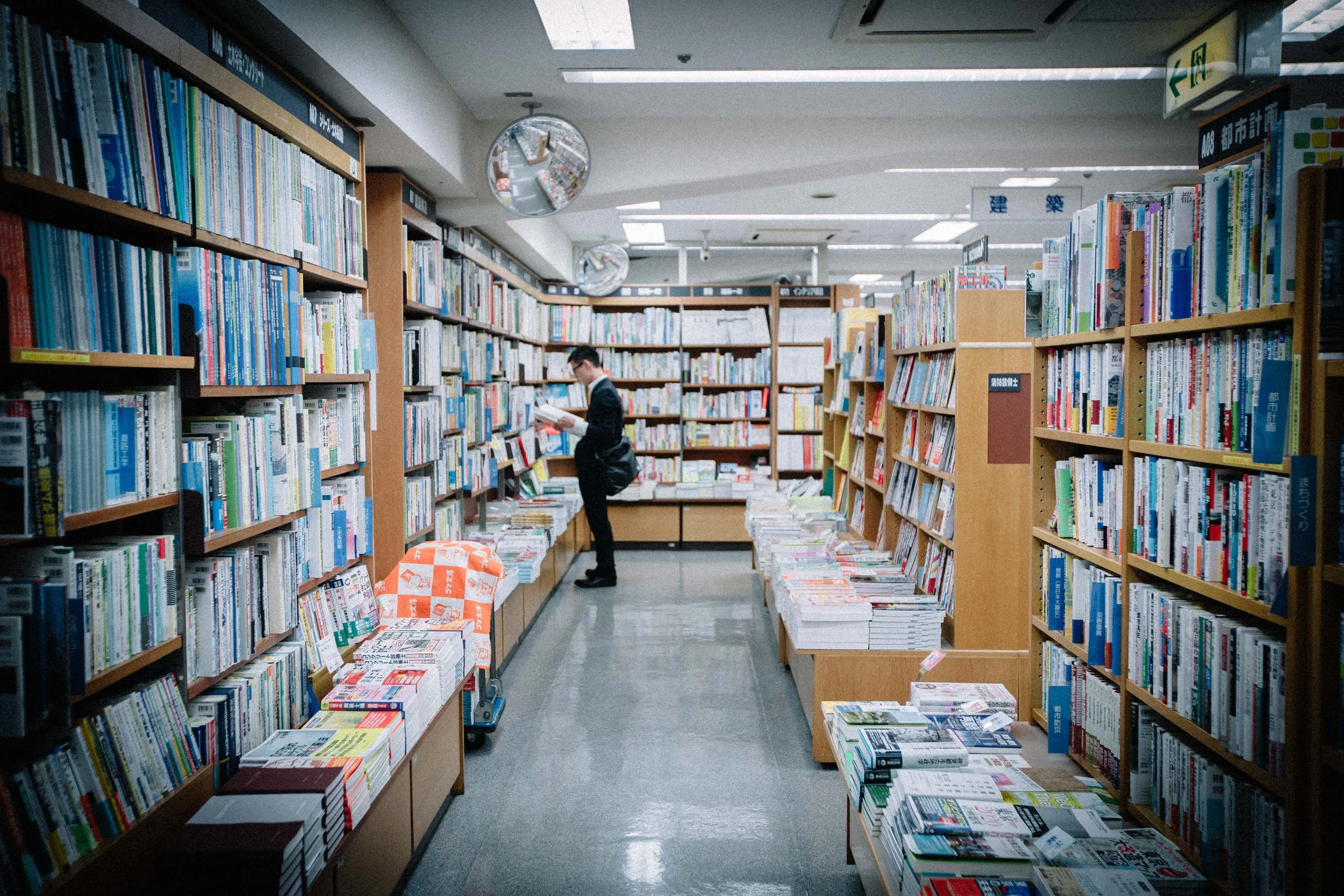
(Library in Tokyo. Photo by Remi David - Please do not use or reproduce without permission.)
arigato gozaimasu
Thank you.
onegai shimasu
Please.
o-kaikei onegai shimasu
Please give us the check.
sumimasen
Excuse me.
eigo o hanasemasu ka?
Do you speak English?
wakarimasen
I don’t understand.
gomennasai
I’m sorry.
toire wa doko desu ka?
Where is the restroom?
(Nattsu) no arerugii ga arimasu
I have a (nut) allergy.
hai
Yes.
iie
No.
daijoubu desu
I’m okay.
In Japanese, it’s common and polite to say “daijoubu desu” when you want to decline something. Literally, it means “I’m okay,” but in context it often functions like “No thank you, I’m fine.”
Final Thoughts
Japan is where tradition and modern life blend seamlessly. Whether you’re crossing through neon-lit Shibuya, sipping matcha in Kyoto, or eating takoyaki in Osaka, each moment feels special. With the right timing, preparation, and a few handy tips, your trip will be unforgettable.
(Note: Some details may change, so always double check before your trip. )
Safe travels,
♡ Remi
P.S. Donations help me run this blog. They’re definitely not expected but are always appreciated! :)
Photo Credit & Copyright Notice
All photos in this post were taken and edited by me, Remi David. Please do not use or reproduce them without permission.